


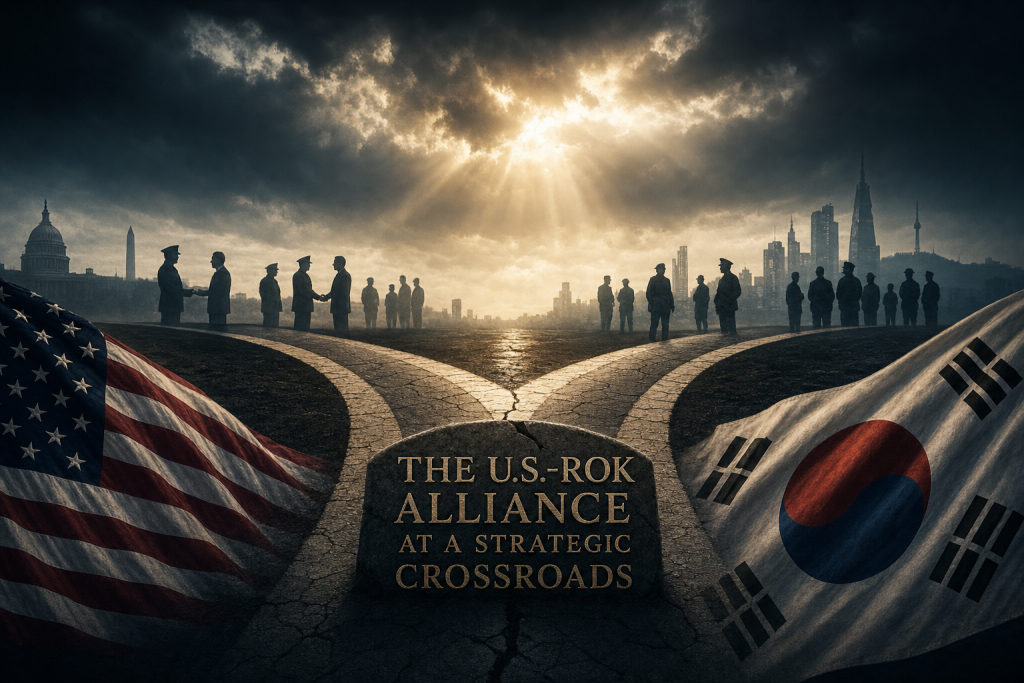
억지력, 국가 회복력, 그리고 안정이라는 위험한 환상
Deterrence, National Resilience, and the Dangerous Illusion of Stability
글: 전인범 예비역 중장/대한민국 육군
By In-Bum CHUN, retired Lieutenant General ROKA
70년이 넘는 세월 동안 대한민국과 미국의 동맹은 현대사에서 가장 성공적인 안보 파트너십 가운데 하나로 유지되어 왔다. 전쟁 속에서 형성되고 희생을 통해 유지된 이 동맹은 한반도에서의 전쟁을 억제했으며, 대한민국이 폐허 속에서 세계적 경제·기술 강국으로 도약하는 기반이 되었고, 동북아 안정에도 크게 기여해 왔다. 그러나 오늘날 한미동맹이 직면한 전략적 환경은 냉전기, 심지어 탈냉전 초기와도 근본적으로 다르다.
북한은 이제 핵무장을 완료한 국가이며, 미사일 능력, 사이버전 역량, 특수전 전력, 그리고 러시아와의 군사협력을 지속적으로 확대하고 있다. 중국은 인도·태평양 전역에서 역내 세력균형에 도전장을 내밀고 있다. 우크라이나 전쟁은 국가 간 대규모 산업전이 여전히 가능하다는 사실을 보여주었으며, 탄약 비축량, 생산능력, 군수지원, 그리고 국가적 인내력이 현대 사회가 생각했던 것보다 훨씬 중요하다는 점을 드러냈다.
동시에 미국은 유럽, 중동, 인도-태평양을 아우르는 복합적인 글로벌 책임에 직면해 있다. 이러한 상황 속에서 과거 한미동맹을 지탱했던 여러 전제들은 이제 보다 냉정하고 현실적으로 재검토될 필요가 있다. 오늘날 대한민국이 직면한 가장 큰 전략적 위험은 단순히 북한 자체만이 아니라, 안보와 군사대비태세에 대한 한국 사회 내부의 인식과 현실 사이의 괴리가 점점 커지고 있다는 점이다.
대한민국의 보수 진영에는 미국이 과거처럼 모든 실존적 위협으로부터 한국을 지켜줄 것이라는 깊은 믿음이 존재한다. 과거에는 이러한 신뢰가 어느 정도 이해될 수 있었다. 당시 미국의 군사적 우위는 압도적이었고, 한국의 군사력과 경제력은 아직 발전 단계에 있었기 때문이다. 그러나 전략 환경은 근본적으로 변화했다.
미국은 여전히 세계 최강의 군사력을 유지하고 있지만, 동시에 중국과의 전략경쟁 속에서 다수의 글로벌 임무에 분산되고 있다. 미국의 한국에 대한 지원은 앞으로도 중요하고 상당한 수준을 유지할 가능성이 크다. 그러나 그것을 정치적 현실, 작전적 제약, 그리고 미국의 광범위한 글로벌 우선순위와 분리된 자동적·무제한적 보장으로 간주해서는 안 된다.
동맹은 서로 다른 시대의 지정학적 가정에 의존할 때보다, 양국이 전략 현실을 명확히 이해할 때 가장 강하게 기능한다. 반면 한국의 진보 진영 다수는 북한을 지속적인 군사위협이라기보다 정치·외교적 문제로 접근해 온 측면이 있다. 대화와 관여는 중요한 수단이다. 그러나 북한 위협의 군사적 본질을 축소해서 인식하는 것은 위험한 안일함을 초래할 것이다.
북한은 여전히 세계에서 가장 중무장된 국가 가운데 하나다. 북한의 재래식 군사력은 경제적 낙후와 노후 장비 때문에 자주 과소평가된다. 이는 심각한 착각이다.
북한은 기술적 우위를 확보하지 못하더라도 전쟁 초기 단계에서 막대한 피해를 가할 수 있다. 지리적 이점, 대량의 화력, 지하시설, 미사일 능력, 그리고 대규모 희생을 감수하려는 정치적 의지는 북한에 여전히 위험한 재래식 선택지를 제공하고 있다.
서울 수도권은 대규모 포병 공격에 취약하다. 북한은 비무장지대 인근에 막대한 규모의 장사정포와 방사포를 배치하고 있다. 또한 세계 최대 규모 중 하나인 특수전 부대를 운용하며, 이들은 전시 침투·교란·파괴 임무를 위해 설계되어 있다. 북한의 미사일 능력 역시 사거리, 생존성, 운용 유연성 측면에서 계속 발전하고 있다. 따라서 경제적 낙후를 군사적 무의미함과 동일시해서는 안 된다.
우크라이나 전쟁은 또 하나의 사실을 보여주었다. 북한은 여전히 상당한 군수 생산능력을 유지하고 있다는 점이다. 많은 선진국들이 장기전 속에서 포탄 생산 확대에 어려움을 겪는 동안, 북한은 러시아에 대량의 재래식 탄약을 공급할 수 있는 능력을 보여주었다. 이는 북한의 능력이 한반도를 넘어서는 의미를 가진다.
북한은 더 이상 단순한 지역 안보문제로만 보아서는 안 된다. 북한은 불안정을 비롯하여, 탄약, 미사일, 드론, 사이버 역량, 비대칭전 노하우를 국제질서에 적대적인 국가 및 세력에 수출할 수 있는 능력을 점점 갖추고 있다. 장기 분쟁과 권위주의 국가 간 협력이 확대되는 시대 속에서 북한의 군수산업 역할은 더욱 커질 가능성이 있다.
그럼에도 불구하고 많은 한국인들은 북한을 관리 가능한 존재 또는 부차적 문제로 인식하고 있다. 일부는 글로벌 파이어파워(Global Firepower)와 같은 오락용 국제 군사력 순위 사이트를 인용하며 한국군이 세계 최상위권 군사력이라고 주장한다. 그러나 이러한 순위는 피상적으로 해석될 경우 위험한 자신감을 유발할 수 있다. 군사력은 단순히 전차, 항공기, 함정, 병력 숫자로만 측정될 수 없다.
전투력은 대비태세, 군수지원, 지휘체계 통합, 지속작전 능력, 탄약 비축량, 실전적 훈련, 산업 회복력, 그리고 전시 희생을 감내하려는 사회의 의지에 의해 결정된다. 우크라이나 전쟁은 현대전이 엄청난 양의 탄약, 연료, 부품, 드론, 숙련병력을 소모한다는 사실을 분명히 보여주었다. 또한 국가 산업기반, 군수체계, 지휘구조, 정치적 결속력에 막대한 압박을 가한다는 점도 드러냈다.
대한민국은 우수한 인력, 첨단 기술, 그리고 자랑스런 방산산업을 보유하고 있다. 그러나 군 현대화는 단순히 무기 도입사업이나 국방예산 증가만으로 평가되어서는 안 된다. 실제 전시 지속능력과 작전 준비태세가 핵심이다. 최근 한국의 진보·보수 정부 모두 국방비를 상당히 증액했다. 그러나 그 증가분의 상당 부분은 실전적 대규모 훈련, 예비전력 준비, 탄약 비축, 작전지속 수행능력보다는 병사 처우개선과 복지 확대에 집중되었다. 병사 복지는 중요하다. 필자는 군 생활 내내 지휘관은 병사들을 잘 먹이고, 잘 입히고, 잘 훈련시키며, 잘 돌봐야 한다고 믿어 왔다. 사기는 매우 중요하다. 그러나 복지만으로 억제력이 만들어지는 것은 아니다.
진보 정부 시기 군 인권보호를 강화하려는 시도는 필요했고 이해할 수 있는 것이었다. 그러나 그 과정에서 군기, 지휘권, 기준 유지가 약화되었고, 이를 대체할 책임과 규율 문화는 충분히 정착되지 못했다. 동시에 전통적으로 안보를 강조해 온 보수 정부들 역시 이러한 구조적 문제를 근본적으로 해결하지 못했다. 문제는 단순한 정치의 영역을 넘어선다. 대한민국 군대는 결국 대한민국 사회를 반영하기 때문이다.
최근 한국 교육현장에서 나타나는 위기는 안보 기획자들에게도 중요한 경고가 되어야 한다. 초등학교 교사들의 잇따른 자살은 단순한 교육 문제가 아니라 제도적 권위, 규율, 사회적 신뢰, 책임의식이 약화되고 있음을 보여주는 현상이다. 이러한 변화는 징병제를 유지하는 군대에 필연적으로 영향을 미친다. 사회로부터 병력을 충원하는 군대는 사회 변화로부터 결코 분리될 수 없다. 제도에 대한 신뢰가 약화되고 권위 구조가 흔들리며 사회적 양극화가 심화되는 사회에서는 군 조직 역시 유사한 문제를 겪게 된다.
대한민국은 또 다른 장기적 안보위협에도 직면해 있다. 바로 인구절벽이다.
한국의 극단적인 저출산은 단순한 경제·사회 문제가 아니라 국가안보 문제다. 인구 감소는 징병자원 감소를 의미하며, 예비전력 유지에도 부담을 준다. 동시에 젊은 세대의 경제적 부담을 증가시키고 장기적으로 군 유지 자체를 어렵게 만든다.
수년간의 경고와 막대한 재정 투입에도 불구하고 한국은 아직 이 문제를 해결하기 위한 정치적 합의와 구조적 개혁을 보여주지 못하고 있다. 첨단 무기체계도 국가를 유지할 인구 자체가 줄어드는 현실을 영원히 대체할 수는 없다.
이러한 현실은 전시작전통제권(OPCON) 문제에도 영향을 미친다. 한국의 진보 진영에게 전작권 전환은 주권과 자율성의 상징이다. 그러나 동시에 많은 이들은 미국이 어떠한 전략 환경 변화 속에서도 결국 한반도를 떠나지 않을 것이라고 가정한다. 이는 위험한 전략적 모순이다. 더 큰 자율성을 요구하는 것 자체는 잘못이 아니다. 그러나 진정한 자율성은 더 큰 책임, 더 큰 위험, 더 큰 독자적 역량을 요구한다. 현재 한국은 이러한 현실을 충분히 직시하고 있다고 보기 어렵다.
중국과의 전략경쟁에 집중하는 미국 정책결정자들은 과거와 동일한 군사태세와 정치적 전제를 무기한 유지하지 않을 수도 있다. 따라서 한국은 앞으로 동맹관리에 있어 더 큰 현실주의와 부담분담이 요구되는 시대를 준비해야 한다. 미국 정책결정자들이 이해해야 할 중요한 사실은 한국 내부의 안보 논쟁이 단순한 이념 대립이 아니라는 점이다. 그것은 억제력의 신뢰성과 직결된다. 한반도 억제력이 약화될 경우 그 영향은 한국을 넘어 인도·태평양 전체의 전략균형과 미국의 지역 신뢰도에 영향을 미칠 수 있다.
한미동맹을 유지하는 데에는 과거 희생에 대한 감상적 회고나 의례적 선언만으로는 부족하다. 필요한 것은 현실주의다. 대한민국 진보 진영의 상당수는 여전히 북한의 지속적인 군사위협을 인정하기보다 관여와 갈등관리 접근을 우선시하고 있다. 한국은 경제적 성공과 기술 발전만으로 군사적 효과성과 전략적 회복력이 자동적으로 보장되지 않는다는 사실을 직시해야 한다. 미국 역시 동맹에 대한 과도한 전략적 모호성이 실존적 위협에 직면한 지역에서 억제력을 약화시킬 수 있음을 인식해야 한다. 무엇보다 중요한 것은 억제력은 결코 영구적이지 않다는 사실이다. 잠재적 적대세력이 동맹국들이 실제로 대응할 능력과 의지를 갖추고 있다고 믿을 때만 평화는 유지된다.
한반도가 위험한 이유는 전쟁이 불가피해서가 아니다. 오히려 안일함이 점점 일상화되고 있기 때문이다. 역사는 억제력이 갑자기 붕괴하기 전에 서서히 약화된다는 사실을 반복해서 보여주고 있다. 동북아의 평화를 유지하기 위해서는 결국 태평양 양측 모두의 현실주의, 대비태세, 그리고 전략적 진지함이 필요하다.
For more than seventy years, the alliance between the Republic of Korea and the United States has remained one of the most successful security partnerships in modern history. Forged in war and sustained through sacrifice, the alliance prevented renewed conflict on the Korean Peninsula, enabled South Korea’s rise from devastation into a major economic and technological power, and contributed significantly to stability in Northeast Asia.
Today, however, the alliance faces a strategic environment fundamentally different from the one that existed during the Cold War or even the early post-Cold War era.
North Korea is now a nuclear-armed state with advancing missile capabilities, cyber warfare capacity, special operations forces, and expanding military cooperation with Russia. China continues to challenge the regional balance of power throughout the Indo-Pacific. The war in Ukraine has demonstrated that large-scale industrial warfare between states remains possible and that ammunition stockpiles, production capacity, logistics, and national endurance matter far more than many modern societies assumed.
At the same time, the United States faces growing global responsibilities stretching across Europe, the Middle East, and the Indo-Pacific simultaneously. Under these conditions, assumptions that once underpinned the U.S.-ROK alliance must now be examined honestly. One of the greatest strategic dangers facing South Korea today is not simply North Korea itself, but the growing gap between perception and reality within South Korean society regarding national security and military preparedness.
Among many conservatives in South Korea, there remains a deeply rooted assumption that the United States will ultimately protect South Korea from any existential threat, as it has in the past. During earlier decades, such confidence was understandable. American military dominance was overwhelming, and South Korea’s own military and economy were still developing. However, the strategic environment has changed dramatically.
The United States remains the world’s most powerful military force, but it is also increasingly stretched by multiple global commitments and strategic competition with China. American support for South Korea will remain important and substantial, but it cannot be treated as an automatic or unlimited guarantee detached from political realities, operational constraints, and broader global priorities.
An alliance functions best when both partners understand strategic reality clearly rather than relying upon assumptions formed under entirely different geopolitical conditions. At the same time, many progressives within South Korea have often approached North Korea primarily as a political and diplomatic problem rather than as an enduring military threat. Dialogue and engagement are important tools, but minimizing the military dimension of the North Korean challenge risks creating dangerous complacency.
North Korea remains one of the most heavily armed states in the world. Its conventional military capabilities are frequently underestimated because of its economic weakness and aging equipment. This is a serious mistake.
North Korea does not require technological superiority to create catastrophic damage during the opening stages of conflict. Geography, mass fires, hardened underground infrastructure, missile saturation capability, and political willingness to absorb casualties continue to provide Pyongyang with dangerous conventional options.
The Seoul metropolitan area remains vulnerable to large-scale artillery attack. North Korea maintains enormous quantities of tube and rocket artillery positioned near the Demilitarized Zone. It also fields one of the world’s largest special operations forces designed for infiltration, sabotage, and disruption during crises. Its missile inventory continues to improve in range, survivability, and operational flexibility. Economic backwardness should not be confused with military irrelevance.
The war in Ukraine has also demonstrated something many analysts previously ignored: North Korea retains substantial military production capacity. While many advanced nations struggled to sustain artillery ammunition output during prolonged combat operations, North Korea proved capable of supplying large quantities of conventional munitions to Russia. This carries important implications beyond the Korean Peninsula.
North Korea should no longer be viewed solely as a local security problem. It increasingly possesses the ability to export instability, ammunition, missiles, drones, cyber capabilities, and asymmetric warfare expertise to states and actors hostile to the international order. In an era of prolonged regional conflicts and expanding authoritarian cooperation, North Korea’s military-industrial role may become increasingly significant.
Yet despite these realities, many South Koreans increasingly perceive North Korea as either manageable or secondary. Some point to international military ranking systems such as Global Firepower, which often place South Korea among the world’s strongest militaries. Such rankings, however, can create misleading confidence if interpreted superficially. Military strength cannot be measured simply by counting tanks, aircraft, ships, or manpower.
Combat effectiveness depends upon readiness, logistics, command integration, sustainment capacity, ammunition stockpiles, realistic training, industrial resilience, and the willingness of society itself to endure wartime sacrifice. The war in Ukraine demonstrated clearly that modern warfare consumes extraordinary quantities of ammunition, fuel, spare parts, drones, and trained personnel. It places enormous pressure upon national industry, logistics systems, command structures, and political cohesion.
South Korea possesses highly capable personnel, advanced technology, and an impressive defense industry. However, military modernization must be evaluated not merely through acquisition programs or defense budget increases, but through actual wartime sustainability and operational preparedness.
Recent South Korean administrations, both progressive and conservative, increased defense spending significantly. However, a substantial portion of these increases emphasized personnel compensation, welfare improvements, and quality-of-life initiatives rather than realistic large-scale training, reserve readiness, ammunition stockpiles, and sustained warfighting capability. Improving soldier welfare is important. Throughout my military career, I consistently believed that leaders must properly feed, equip, train, and care for their soldiers. Morale matters greatly. But welfare alone does not create deterrence.
Efforts under progressive administrations to strengthen human rights protections within the military were understandable and, in some respects, necessary. However, implementation often weakened discipline, command authority, and standards enforcement without successfully establishing an equally effective culture of responsibility and accountability.
At the same time, conservative governments that traditionally emphasized military strength have also struggled to address these deeper structural problems meaningfully. The issue is broader than politics alone. South Korea’s military reflects South Korean society itself.
The growing crisis within South Korea’s educational system should therefore concern security planners as much as educators. The increasing number of elementary school teachers driven to suicide under intense social pressure reflects a deeper erosion of institutional authority, discipline, social trust, and respect for responsibility. These trends inevitably affect a conscription-based military.
Armed forces drawn from society cannot remain isolated from broader social transformation. A society experiencing declining institutional trust, weakening authority structures, and growing polarization will eventually see similar challenges emerge within its military culture.
South Korea also faces another profound long-term security threat: demographic collapse. South Korea’s extremely low birth rate represents not merely an economic or social issue, but a direct national security challenge. A shrinking population means a shrinking conscription pool, increasing pressure on reserve forces, greater economic burdens on younger generations, and growing difficulty sustaining military manpower over time.
Despite years of warnings and enormous financial expenditures, South Korea has yet to demonstrate the political consensus or structural reforms necessary to reverse this trend meaningfully. No advanced weapons system can indefinitely compensate for the gradual disappearance of the population required to sustain national power.
These realities also influence one of the alliance’s most politically sensitive issues: Wartime Operational Control, commonly known as OPCON. For many South Korean progressives, OPCON transition symbolizes sovereignty and national autonomy. However, many of those same political voices simultaneously assume that the United States will never truly leave the Korean Peninsula regardless of changing strategic conditions. This creates a dangerous strategic contradiction.
Demands for greater autonomy are not inherently unreasonable. But genuine autonomy also requires acceptance of greater responsibility, greater risk, and greater independent capability. As it stands, South Korea has yet to demonstrate the political consensus and strategic urgency necessary to confront these challenges fully
American policymakers increasingly focused on global strategic competition may not indefinitely maintain the same military posture or political assumptions that existed decades ago. South Korea must therefore prepare for a future in which alliance management requires greater realism and greater burden-sharing from both sides. For American policymakers, it is important to understand that South Korea’s internal debates regarding security are not merely ideological disagreements. They directly affect deterrence credibility. Any weakening of deterrence on the Korean Peninsula would carry consequences extending far beyond Korea itself, directly affecting regional credibility and the broader strategic balance in the Indo-Pacific. However, preserving that alliance requires more than ceremonial declarations or nostalgic references to past sacrifices. It requires realism.
Yet significant elements within South Korea’s progressive political establishment continue to prioritize engagement and conflict management over acknowledging the enduring military nature of the North Korean threat. South Korea must recognize that economic success and technological advancement alone do not guarantee military effectiveness or strategic resilience. The United States must recognize that excessive ambiguity regarding alliance commitment can weaken deterrence in regions facing immediate existential threats. Most importantly, both nations must understand that deterrence is never permanent. Peace survives only when potential adversaries believe that allied nations possess both the capability and the will to respond decisively under crisis conditions.
The Korean Peninsula remains dangerous not because war is inevitable, but because complacency has become increasingly common. History repeatedly shows that deterrence fails gradually before it fails suddenly. Preserving peace in Northeast Asia will therefore require realism, readiness, and strategic seriousness from both sides of the Pacific.