


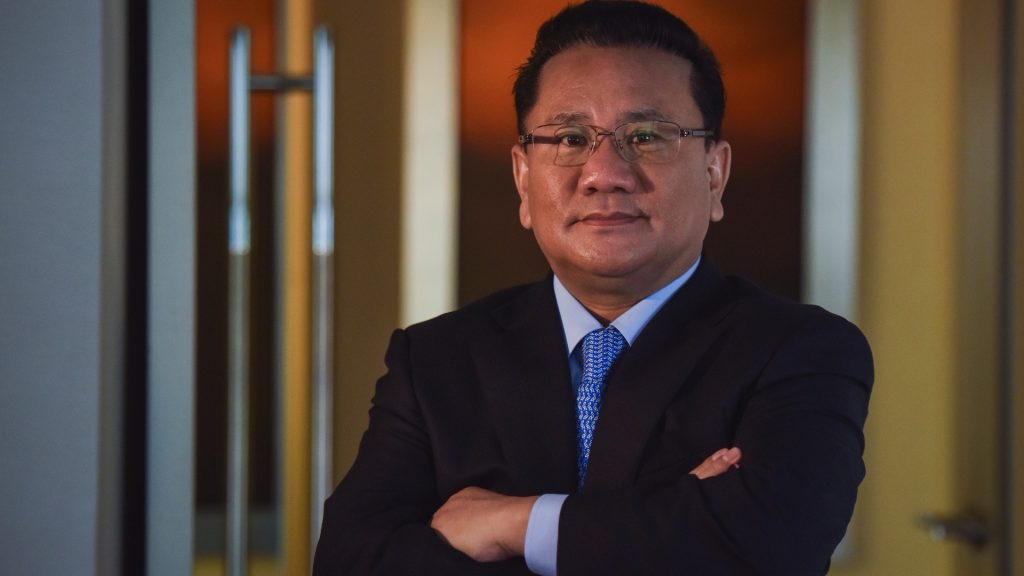
전 조선노동당 39호실 고위 경제관리 리정호, 워싱턴에서 말하다
Ri Jong-ho, Former North Korean Senior Economic Official, Speaks from Washington
| 일자: 2026년 5월 30일 | 장소: 워싱턴 D.C. | 방식: 서면 Q&A | 진행·정리: 편집위원회 |
| Date: May 30, 2026 | Venue: Washington, D.C. | Format: Q&A | Conducted: Editorial Board |
인터뷰이 프로필
리정호 Ri Jong-ho
전 조선노동당 39호실 고위 경제관리
리정호 (Ri Jong-ho)는 1993년부터 2014년 탈북 직전까지 조선노동당 39호실에서 요직을 역임한 전직 북한 고위 경제관리다. 39호실은 북한 정권의 통치자금과 대외 외화 획득을 하는 핵심 기관으로, 그는 선박회사 사장에서 출발해 무역관리국 국장(차관급), 국방위원회 산하 금강경제개발총회사 이사장(차관급)을 거쳐 대흥무역총회사 중국 다롄 지사장을 지냈다. 2002년에는 북한 공민의 최고 영예인 ‘노력영웅’ 칭호를 수상했다. 2014년 10월 탈북한 그는 현재 미국에 거주하며 자서전을 집필 중이다. 【편집자 주】 리정호 선생의 진술은 본인의 직접 경험과 회고에 근거합니다. 일부 내용 — 특히 북한 지도부의 내부 발언 및 비공개 회의에 관한 진술은 제3자에 의한 독립적 검증이 어렵습니다. 본지는 그의 전직 직위와 경력의 신뢰성을 관련 자료를 통해 확인하였으나, 개별 진술의 사실 여부는 독자의 판단에 맡깁니다.
Ri Jong-ho is a former senior North Korean economic official who served at the apex of the regime’s clandestine financial apparatus from 1993 until his defection in October 2014. North Korea’s Office 39 is the regime’s core institution for managing the Kim regime’s governing funds and hard-currency acquisition. Over two decades, Ri rose from president of the Daeheung Shipping Company to Executive Director & CEO of Daehung General Trading Company (vice-ministerial rank), Chairman of the Korea Kumgang Economic Development Group under the National Defense Commission (vice-ministerial rank), and finally Chief Representative of the Daeheung Trading Company’s Dalian, China branch. In 2002, he was awarded the “Labor Hero” medal — the highest honor conferred on a North Korean citizen. He defected in October 2014 and currently resides in the United States, where he is completing his memoirs.
[Editor’s Note: Mr. Ri’s statements are based on his personal experience and recollection. Certain accounts — particularly those relating to internal deliberations and closed sessions of the North Korean leadership — cannot be independently verified by third parties. The Korea Signal has confirmed the authenticity of his career and senior rank through available records; readers are encouraged to weigh individual assertions accordingly.]
편집장의 말
한반도를 둘러싼 국제 정세의 패러다임이 어느 때보다 빠르게 흔들리고 있습니다. 2026년 5월 베이징에서 열린 미·중 정상회담 직후, 시진핑 주석의 전격 방북설이 부상하면서 워싱턴 정가에서는 북핵 문제를 두고 미국이 과연 무엇을 양보할 것인지를 놓고 날 선 논쟁이 벌어지고 있습니다. 같은 시기, 일부 저명한 싱크탱크와 언론은 비핵화를 사실상 포기하고 북한을 핵보유국으로 인정한 위에서 군축을 논해야 한다는 주장을 공개적으로 제기하기 시작했습니다.
서울의 시계도 급박합니다. 이재명 대통령은 전시작전통제권 ‘환수’를 임기 내 최우선 과제로 내세우고 있으며, 2026년 5월 발간된 첫 통일백서는 남북관계를 ‘평화적 두 국가관계’로 규정해 평양의 ‘적대적 두 국가 노선’에 사실상 호응하는 행보를 보였습니다. 여기에 2019년 이재명 대통령의 경기도지사 재직 시절 800만 달러가 북한으로 불법 송금됐다는 의혹이 겹치며, 한미동맹의 대북제재 전선에 균열이 생길 수 있다는 우려가 고조되고 있습니다. 본지는 20여 년간 북한 정권의 핵심 외화 조달 기구인 노동당 39호실에서 요직을 지내다 2014년 10월 탈북한 리정호 선생을 워싱턴에서 만났습니다. 북한 내부 논리를 이 수준의 직접 경험으로 증언할 수 있는 인물은 세계적으로 극히 드뭅니다. 그의 서면 증언은 역사적 기록인 동시에 긴박한 정책 경고입니다.
EDITOR’S PROLOGUE
The strategic landscape surrounding the Korean Peninsula is shifting faster than at any point in recent memory. In the immediate aftermath of the May 2026 U.S.-China summit in Beijing, reports of an imminent Xi Jinping visit to Pyongyang have surfaced, prompting sharp debate in Washington over what, if anything, the United States may be prepared to concede on the nuclear question. At the same time, a number of prominent think tanks and media outlets have begun openly arguing that denuclearization should be abandoned in favor of arms control — accepting North Korea as a nuclear-armed state and managing the threat from there.
Seoul’s clock is equally urgent. President Lee Jae-myung has made the “recovery” of wartime operational control a top priority of his term, and the administration’s inaugural Unification White Paper, released in May 2026, officially frames the inter-Korean relationship as a “peaceful two-state relationship” — a formulation that, critics argue, effectively endorses Pyongyang’s own “hostile two-state” doctrine. Compounding these concerns, allegations persist that $8 million was illegally transferred to North Korea in 2019 during Mr. Lee Jae-myung’s tenure as Gyeonggi Province governor, raising the possibility of cracks in the U.S.-ROK sanctions front.
The Korea Signal met in Washington with Ri Jong-ho, who spent more than two decades at the core of North Korean’s Office 39 — the regime’s principal hard-currency apparatus — before defecting in October 2014. There are vanishingly few people in the world capable of testifying about the internal logic of the Kim regime at this level of direct experience. His written testimony is at once a historical document and an urgent policy warning.
| Q1 올해 초 한 유력 미국 신문 사설은 ‘한반도 비핵화는 더 이상 현실적 선택지가 아니다’라며 북한을 핵보유국으로 인정하고 동결과 제한정책으로 전환할 것을 촉구했고[1], 미국 유력 외교 전문지에서도 비핵화를 접고 억지·봉쇄에 기반한 ‘차가운 평화(cold peace)’로 전환해야 한다는 주장이 나왔습니다[2]. 북한 체제를 안에서 직접 경험하신 선생님께서는 이 흐름을 어떻게 평가하시며, 비핵화를 끝까지 완성하려면 어떤 전략이 필요하다고 보십니까? [1]Washington Post, Editorial Board, “North Korea Is a Nuclear Power. Trump’s omission is an admission.,” January 12, 2026. [2]Foreign Affairs, May/June 2026. The author argued for deterrence-based ‘cold peace’ as a replacement for denuclearization as the primary policy goal. |
리정호:
비핵화 외교 30년이 실패했다는 진단은 옳습니다. 그러나 원인을 정확히 짚어야 합니다. 협상이 서툴러서가 아니라, 북한이 처음부터 핵을 포기할 의사가 없었기 때문입니다.
저는 1993년부터 노동당 39호실 산하 대흥총국 선박회사 사장으로 근무하면서 이 사실을 직접 확인했습니다. 1990년대 초·중반 김정일은 대외 업무 담당자들에게 이런 지침을 내렸습니다.
“적들이 내부를 들여다보지 못하게 안개 낀 듯 뿌옇게 외교하라. 주는 것은 다 받아먹되, 속은 보이지 말고 실리만 챙겨라.”
제가 평양에 있을 당시 중앙당 강연회(북한 지도부가 간부들에게 내리는 지침) 에서 직접 전달받은 내용입니다. 1994년 제네바 합의가 타결되자 김정일은 ‘세 가지를 얻었다’며 쾌재를 불렀습니다. 첫째, 핵을 개발할 시간을 벌었다. 둘째, 앉은 자리에서 46억 달러짜리 경수로 2기를 얻었다. 셋째, 경수로 완공 때까지 매년 중유 50만 톤을 받게 됐다. 거기에 제재 해제와 식량 지원까지. 미국에게는 ‘비핵화의 시작’이었던 합의가, 평양에는 ‘핵 개발 시간 벌기와 경제적 이익을 동시에 챙긴 승리’였습니다.
그 속임수의 실체는 2002년 10월에 드러났습니다. 켈리 미 국무부 차관보가 비밀 우라늄 농축 프로그램의 증거를 들이밀자, 강석주 외무성 제1부상은 “우리에겐 그럴 권리와 절박한 필요가 있다”며 오히려 도발적으로 맞받았습니다. 플루토늄 시설을 동결한 척하면서 뒤로는 우라늄으로 핵을 키워 온 것입니다. 합의는 깨졌고, 북한은 NPT를 탈퇴했습니다. 지금 군축을 말하는 사람들은 그 실패의 교훈을 잊고 같은 함정으로 스스로 걸어 들어가는 것입니다.
군축 협정이 비핵화보다 나쁜 이유가 따로 있습니다. 비핵화를 1퍼센트도 이행하지 않은 나라가 군축을 이행할 리 없습니다. 설령 서명한다 해도 갱도가 무수하고 이동이 통제되는 나라에서 숨긴 것을 검증할 방법은 없습니다. 군축 협정은 ‘차가운 평화’가 아니라 북핵을 국제적으로 공인해 주는 것입니다. 그리고 그 시간 동안 북한은 러시아와 손잡고 더 정교한 핵무기를 개발하고, 그 기술이 이란을 비롯한 중동으로 팔려 나가면 한반도를 넘어선 재앙이 됩니다.
그런데 미국이 정작 간과하는 것이 있습니다. 북한 핵 억지의 진짜 약점은 그것이 김정은 한 사람에게 묶여 있다는 점입니다. 이란의 핵은 혁명수비대와 이념 체계에 제도화돼 최고지도자가 사라져도 살아남습니다. 그러나 북한의 핵은 한 사람의 의지에 묶여 있습니다. 살아 있는 최고지도자의 명령 없이는 작동하지 않는 체계입니다. “최고 지휘부가 공격받으면 자동으로 핵 타격이 단행된다”는 법조항조차 실제 능력이라기보다 ‘지도부를 건드리지 말라’는 경고에 가깝습니다. 저는 그 시스템이 안에서 어떻게 작동하는지를 직접 보았습니다.
만약 김정은이 사라지면, 평양의 차기 지도자가 그를 위해 핵 단추를 누르는 것이 아니라 그 핵을 카드로 자신과 엘리트의 생존을 거래할 가능성이 가장 높습니다. 베네수엘라가 그 경로를 보여 주었습니다. 2026년 1월 마두로가 체포되자 권한대행 델시 로드리게스는 처음에는 ‘납치’라며 반발했지만, 곧 트럼프 대통령과 협력으로 돌아섰습니다. 워싱턴을 향해 항전을 외치던 엘리트들도, 생존이 걸리자 즉각 태도를 바꾼 것입니다. 미국이 결합해야 할 전략은 세 가지입니다. 첫째, 핵에 집착하는 적대적 지도부를 좌시하지 않는다는 신뢰성 있는 의지를 테헤란에서 보여 주었듯 분명히 할 것. 둘째, 김정은 이후의 차기 지도부에 신변 안전과 경제적 출구를 열어 줄 것. 셋째, 그 위에서 검증 가능한 핵 무장해제를 요구할 것. 지금 시간은 평양의 편입니다. 군축 타령은 그 귀중한 시간을 통째로 평양에 헌납하는 길입니다.
| Q1 *Earlier this year, the editorial board of a leading American newspaper declared that “Korean Peninsula denuclearization is no longer a realistic option,” calling for North Korea to be recognized as a nuclear-armed state and for policy to shift toward freeze-and-containment.*¹ *A prominent American foreign policy journal has similarly argued for abandoning denuclearization in favor of deterrence-based “cold peace.” You experienced the North Korean system from the inside. How do you assess this trajectory — and what strategy, in your view, would actually complete denuclearization? |
Ri Jong-ho:
The diagnosis that thirty years of denuclearization diplomacy has failed is correct. But the cause is being misread. The failure was not a product of clumsy negotiation. It was a product of the fact that North Korea never intended to give up its nuclear weapons — not from the beginning.
I confirmed this directly. From 1993, I served as president of the Daeheung Shipping Company under Office 39. In the early-to-mid 1990s, Kim Jong-il issued the following directive to officials engaged in external affairs:
“Conduct diplomacy as if behind a fog, so that the enemy cannot see inside. Take everything they put on the table — but never show your hand, and secure only tangible gains.”
I received this guidance in person at a Central Party lecture in Pyongyang — a session where the leadership passed directives down to senior cadres. When the 1994 Agreed Framework was concluded, Kim Jong-il celebrated what he described as a triple victory. First, we have bought time to develop our nuclear weapons. Second, without leaving our seats, we have obtained two light-water reactors worth $4.6 billion. Third, we will receive 500,000 tons of heavy fuel oil every year until the reactors are completed — plus sanctions relief and food aid. The agreement that Washington read as the beginning of denuclearization, Pyongyang celebrated as a simultaneous victory on nuclear development and economic extraction.
The deception was exposed in October 2002, when Assistant Secretary Kelly arrived in Pyongyang with evidence of a covert uranium enrichment program. First Vice Foreign Minister Kang Sok-ju’s response was not denial but defiance: “We have every right to do this, and the urgent need.” All along, North Korea had been freezing its plutonium facilities as a performance while quietly advancing its uranium program in the background. The Agreed Framework collapsed. North Korea withdrew from the NPT. Those who now advocate arms control have forgotten the lessons of that failure and are walking, of their own accord, into the same trap.
There is a further reason why arms control is worse than a failed denuclearization policy. A state that has not implemented one percent of a denuclearization commitment will not implement an arms control regime. And even if it signs, in a country of countless tunnels and controlled movement, there is no way to verify what has been hidden. An arms control agreement is not “cold peace” — it is international recognition of North Korea’s nuclear status. While that agreement is being celebrated, North Korea will be working with Russia to develop more sophisticated weapons, and when that technology is sold to Iran and the broader Middle East, the consequences will be catastrophic far beyond the Korean Peninsula.
Yet the vulnerability Washington consistently overlooks is this: North Korea’s nuclear deterrent is tied to one man. Iran’s nuclear program is institutionalized within the Revolutionary Guards and its ideological framework — it would survive any change of leadership. North Korea’s nuclear arsenal is bound to a single person’s will. Without a living Supreme Leader’s command, the system does not function. The legal provision stating that “if the Supreme Command comes under attack, nuclear strikes will be launched automatically” is less a description of actual capability than a warning: do not touch the leadership. I watched this system operate from the inside.
If Kim Jong-un disappears, the most probable scenario is not that his successor presses the nuclear button in his name — it is that the successor uses the arsenal as a bargaining chip to secure survival for himself and the elite. Venezuela showed us this path. When Maduro was arrested in January 2026, acting president Delcy Rodríguez initially denounced the action as “kidnapping” — then within days was cooperating with President Trump. Elites who had spent years vowing to resist Washington reversed course the moment their own survival was at stake. The strategy the United States must combine is threefold. First, make unmistakably clear — as it did in Caracas — that it will not tolerate an adversarial nuclear-armed leadership indefinitely. Second, offer Kim Jong-un’s successors genuine security guarantees and an economic off-ramp. Third, on that foundation, demand verifiable nuclear disarmament. Time is on Pyongyang’s side. Every moment spent debating arms control is a moment handed, in full, to Pyongyang.
| Q2 2026년 5월 미·중 정상회담 직후 시진핑 주석의 평양 방문 가능성이 제기됐습니다[3][4]. 성사된다면 2019년 6월 이후 7년 만입니다. 북한에 계시며 중국을 왕래하셨던 선생님께 묻겠습니다. 미·중 정상회담이 끝나기 무섭게 평양으로 향하려는 중국의 진짜 속내는 무엇이며, 이것이 급속히 강화된 북·러 밀착을 재정렬하려는 시도라고 볼 수 있겠습니까? [3]The White House, Fact Sheet: President Donald J. Trump Secures Historic Deals with China, Delivering for American Workers, Farmers, and Industry, May 17, 2026. [4]Foreign Policy, “China Needs North Korea on Its Side,” May 27, 2026. |
리정호:
시진핑 주석이 방북한다면, 저의 경험으로 볼 때 두 개의 표적을 동시에 겨눈 이중 포석입니다.
첫 번째 표적은 워싱턴입니다. 백악관이 공개한 미·중 정상회담 팩트 시트에는 두 정상이 북한 비핵화라는 공유된 목표를 재확인하고, 북한을 핵보유국으로 인정할 수 없다는 원칙에 공감했다고 명시돼 있습니다. 그 자리에서 핵에 집착하는 평양을 두고 상당한 논의가 오갔을 것입니다. 회담 직후 시진핑이 평양으로 향하는 것은 ‘평양은 우리가 단속해 보겠다’는 카드로 대만문제와 관세 협상에서 실질적 양보를 얻어내려는 계산입니다.
이 카드의 뿌리는 한국전쟁입니다. 제가 중국에 머물 당시, 중국인들은 제게 이런 말을 했습니다.
“북한의 산과 들에는 수십만 중국군의 피와 뼈가 묻혀 있다. 1950년 그 전쟁에서 중국군이 없었다면 북한 체제는 진작 끝장났을 것이니, 그 빚을 잊지 말라.”
그런데 역설적이게도, 바로 그 전쟁이 중국의 또 다른 숙원을 가로막았습니다. 1950년 참전에 수십만 병력을 쏟아붓느라, 중국은 눈앞에 두고 있던 대만 ‘해방’의 기회를 놓쳤습니다. 북한은 중국이 가진 최대의 전략적 지렛대인 동시에, 중국의 가장 오랜 전략적 부담입니다.
두 번째 표적은 모스크바와 평양의 밀착을 끊어 놓는 것입니다. 현재 북·중 관계는 냉랭하고 무역과 교류도 이전에 비해 대폭 줄었습니다. 반면 김정은은 러시아에 1만 2천 명 이상의 병력과 무기·포탄까지 보내고 2024년 6월 포괄적 전략적 동반자 관계 조약에 직접 서명했으며[5]
Putin을 ‘가장 친근한 동지’라 부르고 있습니다. 베이징은 이 노골적인 친러 행보가 한·미·일의 군비경쟁을 자극하고 반중 결속을 부른다는 것을 극도로 경계합니다. 시진핑은 경제적 생명줄과 ‘과거를 잊지 말라’는 경고를 동시에 카드로 내밀며 ‘선을 넘지 말라’고 압박하고 동북아의 패권이 여전히 베이징에 있음을 상기시키려 합니다.
그러나 이 압박은 잘 통하지 않습니다. 그 이유를 저는 직접 확인했습니다. 2014년 7월 시진핑이 평양보다 서울을 먼저 방문하자, 김정은은 그를 향해 입에 담기 어려운 극언과 욕설을 쏟아내며 중국과의 무역·외교를 포함한 모든 관계를 끊고 축을 러시아로 옮기라고 직접 명령했습니다. 오늘의 북·러 밀착과 대중 불신은 그 연장선입니다. 2017년 중국이 유엔 안보리 대북제재에 앞장선 것도 그 불신의 연장선이며 — 오랜 혈맹이라면 있을 수 없는 일입니다. 결론은 단호하게 말씀드릴 수 있습니다. 북·중·러는 하나의 혈맹이 아닙니다. 반미공동전선을 걷어내면 서로 맞는 코드가 없습니다. 중국은 김정은을 실제로는 통제하지 못하면서, 워싱턴에는 마치 평양을 단속할 수 있는 것처럼 영향력을 과시합니다. 바로 그 ‘과시한 영향력’과 ‘실제 통제력’ 사이의 간극 — 그것이 미국이 파고들 지렛대입니다. 미국은 이 구조적 균열을 전략 자산으로 삼아, 중국이 2017년처럼 강도 높은 대북제재를 다시 이행하도록 압박하고, 이란식 최대 압박과 검증 가능한 비핵화 로드맵을 결합해야 합니다. 북·중 사이의 균열을 읽어내는 것, 거기에 미국의 길이 있습니다.
[5]조선중앙통신(KCNA), 2024년 6월 20일. 북·러 포괄적 전략적 동반자 관계 조약 서명 관련 보도.
Korean Central News Agency (KCNA), June 20, 2024. Report on the signing of the DPRK-Russia Comprehensive Strategic Partnership Treaty.
| Q2 *Immediately after the May 2026 U.S.-China summit, reports emerged that President Xi Jinping may visit Pyongyang — which would be his first trip since June 2019.*³ ⁴ You spent years working in China. What, in your assessment, is Beijing’s true strategic objective in such a visit? And can it be read as an attempt to pull Pyongyang away from its deepening alignment with Moscow? |
Ri Jong-ho:
If Xi Jinping does visit Pyongyang, in my experience it is a double play aimed at two targets simultaneously.
The first target is Washington. The White House fact sheet from the summit confirms that both presidents reaffirmed a shared commitment to denuclearizing North Korea and agreed they could not recognize it as a nuclear-armed state. There was clearly substantial discussion at that meeting about how to handle a Pyongyang determined to cling to its weapons. Xi’s move to Pyongyang immediately afterward is a bid to extract real concessions on Taiwan and tariffs by playing the card: “We’ll handle Pyongyang.”
The roots of this card go back to the Korean War. When I was stationed in China, Chinese officials and citizens would say to me:
“The mountains and fields of North Korea are soaked with the blood and bones of hundreds of thousands of Chinese soldiers. If Chinese forces hadn’t entered that war in 1950, the North Korean regime would have been finished long ago. Never forget that debt.”
And yet, paradoxically, it was precisely that war that blocked China’s own deepest ambition. By pouring hundreds of thousands of troops into the Korean peninsula, China lost the opportunity it had within reach to “liberate” Taiwan. North Korea is simultaneously China’s greatest strategic lever and its most enduring strategic burden.
The second target is breaking the Moscow-Pyongyang axis. The North Korea–China relationship is currently cold — trade and exchanges have fallen sharply from their previous levels. Kim Jong-un, meanwhile, has dispatched more than twelve thousand troops to Russia along with weapons and artillery shells, personally signed the Comprehensive Strategic Partnership Treaty in June 2024,⁵ and publicly calls Putin his “closest comrade.” Beijing is acutely alarmed that this brazen pro-Russia posture is provoking an arms race among South Korea, the United States, and Japan and driving an anti-China alignment. Xi’s visit is an attempt to press Kim with the twin levers of economic lifeline and historical memory — “do not cross the line” — and to remind Pyongyang that hegemony in Northeast Asia still resides in Beijing.
But this pressure does not work well. I witnessed the reason firsthand. When Xi visited Seoul before Pyongyang in July 2014, Kim Jong-un unleashed a torrent of abuse — language I will not repeat here — and issued a direct order to sever all relations with China, including trade and diplomacy, and to reorient the country’s axis toward Russia. Today’s North Korea–Russia intimacy and anti-China distrust are the direct continuation of that moment. China’s decision to lead UN Security Council sanctions against North Korea in 2017 was further expression of the same mutual distrust — something that simply does not happen between genuine allies. Let me state the conclusion plainly: North Korea, China, and Russia are not a single bloc. Strip away the common anti-American front and there is no shared code between them. China cannot actually control Kim Jong-un, yet performs the role of Pyongyang’s handler for Washington’s benefit. The gap between that advertised influence and actual control — that is the lever the United States must exploit. Washington should use this structural fracture as a strategic asset, pressing China to return to the level of sanctions enforcement it led in 2017, layering on a maximum-pressure campaign of its own, and pairing it with a verifiable denuclearization roadmap. The crack in the North Korea–China relationship: that is where America’s path lies.
| Q3 이재명 대통령은 2026년 5월 26일 국무회의에서 ‘우리 국방력은 세계 5위, 국방비는 북한 GDP를 크게 앞선다. 스스로를 지킬 역량은 이미 충분하다’고 밝히며 전시작전통제권 ‘환수’를 신속히 진행하라고 지시했습니다[6]. 국방부 장관이 ‘크게 문제가 없다’고 보고하자 대통령이 ‘아무 문제가 없다’로 직접 바로잡고 군 수뇌부를 질책하기도 했습니다. 수십 년간 북한 지도부를 가까이에서 지켜보신 선생님께 묻겠습니다. 북한은 이 발언을 어떻게 받아들이겠습니까? [6]대한민국 대통령실 보도자료, 2026년 5월 26일 제23회 국무회의 겸 제10차 비상경제점검회의 결과. Office of the President of the Republic of Korea, Press Release: Results of the 23rd Cabinet Meeting and 10th Emergency Economic Review Session, May 26, 2026. |
리정호:
저는 수십 년간 북한 지도부의 대남전략을 가까이에서 지켜보았습니다. 단도직입적으로 말씀드리겠습니다. 한국 대통령의 입에서 이런 말이 나오는 것은, 평양이 70년간 기다려 온 신호입니다.
김일성·김정일·김정은 3대가 한결같이 두려워한 것은 하나였습니다 — 남한에 주둔하는 세계 최강의 미군. 핵 항공모함과 전략잠수함, 전략폭격기, 스텔스 전투기, 실시간 위성감시, 그리고 유사시 자동으로 전개되는 수십만의 증원전력. 북한 정권은 주한미군 철수를 대내외 정책의 기본으로, 조국통일의 핵심 전략으로 수십 년간 추구해 왔습니다. 그런데 한국 대통령이 스스로 그 전략에 편승하는 신호를 보내고 있는 것입니다.
이 발언의 배경에 대해 제 시각을 솔직히 말씀드리겠습니다. 이 대통령은 경선 후보 시절 한반도 해방후 ‘친일세력이 미 점령군과 합작했다’고 공언한 인물입니다. 미국을 ‘해방군’이 아닌 ‘점령군’으로 규정하는 것은 북한 정권이 수십 년간 대남 선전에서 써온 표현과 정확히 맞닿아 있습니다. 그의 핵심 측근들의 이력도 이 맥락에서 떼어 놓기 어렵습니다. 이런 인식의 토양에서 나온 정책이 어떤 방향을 향할지는, 평양의 전략가들이 가장 먼저 읽어냈을 것입니다.
전작권 문제 자체도 짚어야 합니다. 한국의 전시작전통제권은 1950년 전쟁 발발 직후 이승만 대통령이 나라와 국민의 생존을 위해 스스로 유엔군사령관에게 이양한 것입니다. 빼앗긴 적이 없으니 ‘환수’할 것도 없습니다. ‘환수’라는 단어는 미국이 한국의 주권을 강탈했다는 전제를 깔고 있으며, 이는 미국을 직접 자극하는 표현입니다.
‘세계 5위 국방력’이라는 수치도 위험한 논리입니다. 핵을 가진 북한과 그 뒤의 핵 강대국들 앞에서 재래식 군사력 순위를 말하는 것은 처음부터 무의미한 비교입니다. 그리고 그 발언은 방위비 증액과 주한미군 감축을 밀어붙이려는 트럼프 행정부에 완벽한 명분을 줍니다. ‘스스로 지킬 수 있다니 다행이다, 그렇다면 돈과 피를 흘릴 이유가 없다, 주한미군을 다른 전선으로 돌리면 된다.’ 실제로 헤그세스 미 전쟁부장관은 이미 전작권 전환을 반기고 있습니다.
정말 한미연합사 체제가 깨지고 미군이 실제로 떠난다면, 결과는 냉혹합니다. 중국은 한국을 경제·정치적 위성국으로 다루려 들고, 북한은 러시아와 손잡고 적화통일의 기회를 노릴 것입니다. 안보의 불안은 곧 경제의 붕괴이며 외국자본 이탈과 원화 폭락은 수출로 살아가는 한국 경제에 치명상을 입힙니다. 저는 지금 서울에서 울려 나오는 이 목소리가 평양에 얼마나 반가운 소식인지를 누구보다 잘 압니다. 평화는 선언이 아니라 힘의 균형으로 지켜집니다. 한미동맹의 존폐를 쥔 결정권은 서울이 아니라 워싱턴에 있습니다. 그 워싱턴이 발을 빼는 쪽으로 움직이고 있다는 것 — 평양이 70년을 기다려 온 그림입니다.
Q3
*On May 26, 2026, President Lee Jae-myung stated at a cabinet meeting that South Korea’s military ranks fifth in the world and that its annual defense budget far exceeds North Korea’s entire GDP, concluding that the country already possesses sufficient capacity to defend itself — and directed the Ministry of National Defense to proceed swiftly with the “recovery” of wartime operational control.*⁶ When the Defense Minister reported there would be “no significant problem” if OPCON were transferred the following day, President Lee corrected him: “The answer should be no problem at all.” He also rebuked the military leadership for what he called excessive dependence on foreign forces. You spent decades observing the North Korean leadership up close. How would the Kim regime receive these statements?
Ri Jong-ho:
I spent decades watching the North Korean leadership’s strategy toward the South. Let me be direct: a statement like this from a South Korean president is precisely the signal Pyongyang has spent seventy years waiting to hear.
There was one thing — and one thing only — that all three generations of the Kim family feared: the U.S. military stationed in South Korea. Nuclear carrier battle groups, strategic submarines, strategic bombers, stealth fighters, real-time satellite surveillance, and the hundreds of thousands of reinforcement troops that deploy automatically in a crisis. The withdrawal of U.S. forces has been the foundational objective of North Korean policy — domestically and externally — for decades, the linchpin of their unification strategy. And now a South Korean president is sending a signal that aligns, of his own accord, with that very strategy.
Let me speak plainly about the context behind this posture. During his presidential primary campaign, President Lee publicly stated that “pro-Japanese collaborators teamed up with the American occupation forces” following Korea’s liberation. Describing the United States as an “occupation force” rather than a liberating ally is language drawn directly from North Korean propaganda — the exact formulation Pyongyang has used in its southern psychological operations for decades. The background of his closest associates reinforces this context. The policies that emerge from this soil — Pyongyang’s strategists will have been the first to read where they lead.
The question of OPCON itself also needs to be set straight. South Korea’s wartime operational control was not seized by the United States. It was voluntarily transferred by President Syngman Rhee to the UN Command in the immediate days after the North Korean invasion of 1950 — because the survival of the nation depended on it. Nothing was taken; there is nothing to “recover.” The word “recovery” (환수) presupposes an act of dispossession that never occurred, and it is a formulation that strikes directly at American sensitivities.
The “fifth-ranked military in the world” argument is also dangerous logic. Against a nuclear-armed North Korea backed by nuclear great powers, conventional military rankings are a meaningless comparison from the outset. And that statement hands the Trump administration — already inclined to demand higher burden-sharing and redeploy forces to other theaters — a ready-made rationale: “If they say they can defend themselves, so much the better. No reason for us to spend blood and treasure. Redirect the troops.” Defense Secretary Hegseth has already signaled he welcomes an accelerated OPCON transfer. Washington and Pyongyang are running the same calculation simultaneously — that is the essence of the problem.
If the Combined Forces Command framework is actually dismantled and U.S. forces genuinely depart, the consequences will be severe. China will move to treat South Korea as an economic and political satellite. North Korea, in partnership with Russia, will watch for its moment to pursue forcible unification. Security instability means economic collapse: foreign capital flight and a collapsing won will devastate an export-dependent economy. I know better than almost anyone how welcome these words from Seoul must sound in Pyongyang. Peace is not preserved by declaration — it is preserved by balance of power. The decision over the alliance’s survival lies not in Seoul but in Washington. That Washington is now moving toward the exit — that is the picture Pyongyang has waited seventy years to see.
| Q4 2025년 6월 한국대법원은 이화영 전 경기도 평화부지사에게 징역 7년 8개월을 확정했습니다[7]. 이 사건의 핵심은 2019년 이재명 대통령의 경기도지사 재직 시절 방북 비용 800만 달러가 북한에 불법 송금됐다는 것으로, 미 재무부 OFAC과 유엔 대북제재에 저촉되는 사안입니다. 검찰은 이 대통령을 최종 지시·승인자로 지목해 기소했으나 재판은 현직 대통령 신분을 이유로 정지된 상태입니다. 선생님께 두 가지를 묻겠습니다. 이 800만 달러는 북한 내부 어디로 흘러갔다고 보십니까? 그리고 이 사건이 이재명 정부의 대북 정책 자율성에 구조적 영향을 미친다고 보십니까? [7]대한민국 대법원 2025. 6. 선고 — 이화영 전 경기도 평화부지사 징역 7년 8개월 확정. Supreme Court of Korea, June 2025 — Sentence of seven years and eight months upheld against Lee Hwa-young, former Gyeonggi Province Vice Governor for Peace Affairs. |
리정호:
자금 흐름부터 말씀드리겠습니다.
800만 달러는 의심의 여지 없이 김정은의 통치자금 금고로 들어갑니다. 노동당 39호실, 또는 그의 직속 서기실이 관리하는 금고입니다. 북한에서 남한 고위직 방북 승인절차는 이렇습니다. 대남공작을 맡은 노동당 통일전선부가 ‘남한 경기도지사가 방북을 원하는데 비용을 받고 들이겠습니다’라고 김정은에게 보고합니다. ‘방북 비용’이라는 명목은 거기서 나온 것입니다. 그러면 김정은이 제가를 해야 남한 인사들의 방북이 이루어지게 됩니다. 북한 체제에서는 최고지도자의 승인 없이 남한 고위 정치인 한 명도 그 땅에 들일 수 없습니다.
이 관행은 2000년 첫 남북정상회담 무렵 자리를 잡았습니다. 당시 약 5억 달러가 북한에 먼저 건너간 뒤에야 정상회담이 성사됐습니다[8]
그때부터 이것은 관례가 됐습니다. 비용을 받지 않고 남한의 거물급 정치인을 평양에 들였다가는, 북한 담당자의 목이 날아갑니다. 그것이 북한 체제가 작동하는 방식입니다.
이제 정책 자율성 문제입니다. 먼저 분명히 해 둘 것이 있습니다. 800만 달러가 북한에 불법 송금된 사실은 이화영 전 부지사의 대법원 확정 판결로 입증됐습니다. 이재명 대통령은 이 송금의 최종 지시·승인자로 검찰에 의해 지목되어 기소된 상태이며, 현직 대통령이라는 이유로 재판이 정지되었고 아직 사법적 판단이 내려지지 않았습니다. 저는 사법 판단을 앞지르지 않겠습니다.
그러나 구조적으로 말씀드리겠습니다. 북한 정권에 불법 자금을 제공했다는 미확정 의혹을 안고 있는 한국 지도자는, 그 북한정권이 언제든 그 내막을 폭로 카드로 쓸 수 있다는 내재된 취약성 속에 있습니다. 만약 김정은이나 김여정이 이재명과 북한의 거래의 내막을 공개한다면, 현직 대통령이라 해도 그 자리를 지키기 어려울 것입니다. 이것이 제가 말하는 구조적 함정입니다.
이것은 추측이 아닙니다. 근거는 이재명 정부의 정책 기록입니다. 2026년 5월, 이재명 정부는 첫 통일백서에서 남북관계를 ‘통일을 지향하는 평화적 두 국가관계’로 전환할 필요가 있다고 공식 명시했습니다. 정부는 이것이 북한의 ‘적대적’ 두 국가 노선과 다르다고 설명하지만, 제가 보기에 이는 북한이 던진 프레임을 한국 정부가 그대로 집행하는 것이며 한국 헌법이 명한 평화통일의 정신과도 어긋납니다. 이 대통령은 취임 이후 단 한 번도 북한의 적대적 두 국가론을 공개적으로 비판하지 않았습니다. 이 모든 정황은 북한의 묵시적 압박에 끌려가고 있다는 판단을 뒷받침합니다.
미국 재무부 OFAC의 제재 가능성도 짚겠습니다. 북한 정권에 달러를 불법 제공한 행위라면 아무리 동맹국가 대통령이라도 원칙적으로 OFAC이 독자 제재를 검토할 요건은 충분하다고 봅니다. 설령 제재가 현실이 돼서 이재명 대통령이 미 재무부의 제재대상이 된다 해도, 그것은 북한에 불법 송금한 행위를 지시·승인한 개인에게 책임을 묻는 것이지 대한민국이라는 국가나 한미동맹을 겨냥하는 것이 아닙니다. 오히려 법과 원칙이 동맹국 지도자에게도 똑같이 적용되는 순간, 중국과 러시아는 대북제재에 대한 반발을 못할것이고 한미동맹의 토대는 더 단단해 질것입니다. . 이 사안은 한국만의 국내 문제가 아닙니다. 미국 대북제재 체계의 실효성과 한미동맹의 근간에 직결됩니다. 동맹의 신뢰는 법과 원칙을 일관되게 적용할 때에만 유지됩니다. 현직 대통령이라 해도 법 앞에 평등해야 합니다. 그것이 자유민주주의의 근간입니다.
[8]2000년 남북정상회담 대북 송금 사건: 대한민국 검찰 수사 결과 및 현대 측의 법원 확인 기록 참조. 대법원 2003. 9. 선고.
Inter-Korean Summit 2000 illicit transfer case: Republic of Korea prosecutorial investigation findings and court records related to Hyundai. Supreme Court ruling, September 2003.
| Q4 *In June 2025, South Korea’s Supreme Court upheld a sentence of seven years and eight months against Lee Hwa-young, former Vice Governor for Peace Affairs of Gyeonggi Province.*⁷ The central allegation is that $8 million was illegally transferred to North Korea in 2019 — during President Lee Jae-myung’s tenure as governor — in violation of U.S. Treasury OFAC sanctions and UN Security Council resolutions. Prosecutors have identified President Lee as the alleged final authorizer of the transfer, though his trial has been suspended owing to his status as a sitting president. Two questions: Where, in your assessment, did those funds flow within the North Korean system? And do you believe this matter has a structural effect on this administration’s freedom of action toward the North? |
Ri Jong-ho:
Let me address the flow of funds first.
The $8 million went — without question — into Kim Jong-un’s personal slush fund. The vault managed by Office 39, or his Personal Secretariat directly. I worked inside that system for more than a decade. The procedure for approving a South Korean official’s visit to the North works like this: the United Front Department, which handles South Korean operations, reports upward to Kim Jong-un — “The Gyeonggi Province governor wants to visit; we propose to admit him in exchange for a fee.” That is where the framing of “visit costs” originates. Kim Jong-un must then personally authorize the visit. Without the Supreme Leader’s approval, not a single South Korean official of any standing sets foot on North Korean soil.
This practice was institutionalized around the time of the first inter-Korean summit in 2000. Approximately $500 million was transferred to Pyongyang before that summit could take place.⁸ From that point, it became standing procedure. A North Korean official who admitted a senior South Korean figure without first collecting payment would lose his head. That is how the system operates.
Now to the question of policy autonomy. Let me be precise about what is established and what is not. The illegal transfer of $8 million to North Korea has been established as fact by the Supreme Court of Korea in the conviction of former Vice Governor Lee Hwa-young. President Lee Jae-myung has been identified by prosecutors as the alleged final authorizer and has been indicted; his trial is currently suspended. No judicial finding has been made against President Lee personally, and I will not pre-judge an outcome the courts have not yet delivered.
But let me speak structurally. A leader who carries credible, unresolved allegations of having facilitated illegal financial transfers to an adversary government operates under an inherent vulnerability: that government holds the power, at any moment of its choosing, to expose the full details of the transaction. If Kim Jong-un or Kim Yo-jong were to publicly reveal the internal details of this arrangement, the sitting president would find it very difficult to hold his position. That is the structural trap I am describing.
This is not speculation. The evidence is in the policy record. In May 2026, the Lee administration’s inaugural Unification White Paper formally declared that the inter-Korean relationship should be redefined as a “peaceful two-state relationship oriented toward unification.” The government argues this is distinct from Pyongyang’s “hostile two-state” doctrine and does not violate the Constitution. In my assessment, it is the South Korean government adopting and executing the very frame Pyongyang constructed — and it contradicts the spirit of peaceful unification as mandated by the Constitution. President Lee has not once, since taking office, publicly criticized North Korea’s hostile two-state declaration. Taken together, these facts support the judgment that this administration is being pulled along by North Korea’s implicit pressure.
On OFAC sanctions: the illegal provision of dollar funds to the North Korean regime satisfies, in principle, the threshold for the U.S. Treasury to examine potential independent sanctions — regardless of how senior the individual involved. Even if sanctions were imposed against President Lee personally, that would constitute holding the individual who allegedly authorized and directed the illegal transfer to account. It would not be directed at the Republic of Korea as a state, or at the alliance. In fact, the moment the same legal principles are applied equally to the leaders of allied nations, China and Russia lose their basis for contesting the legitimacy of North Korea sanctions — and the foundation of the U.S.-ROK alliance grows stronger, not weaker.
This matter is not a domestic South Korean controversy. It goes to the heart of the credibility of America’s North Korea sanctions architecture and the foundations of the alliance itself. An alliance’s credibility is sustained only when law and principle are applied consistently. No sitting president is above the law. That is the bedrock of liberal democracy.
편집 고지 EDITORIAL NOTE
본 인터뷰는 2026년 5월 워싱턴 D.C.에서 한국어 서면 Q&A 형식으로 진행되었습니다. 리정호 선생의 답변은 가독성을 위해 경미하게 편집·정리되었으며, 실질적 내용은 원문 그대로입니다. 계류 중인 법적 절차와 관련된 모든 사항은 ‘혐의’ 또는 ‘검찰의 공소 사실에 따르면’이라는 전제 하에 기술되었으며, 본지는 개인의 법적 책임 여부에 대해 어떠한 입장도 취하지 않습니다.
© 2026 The Korea Signal. All rights reserved.
EDITORIAL NOTE
This interview was conducted in Korean in written Q&A format in Washington, D.C., in May 2026. Mr. Ri’s responses have been lightly edited for clarity and concision; no substantive content has been altered. All matters relating to pending legal proceedings are reported as alleged, or as set forth in prosecutorial indictments; The Korea Signal takes no position on questions of individual legal culpability.
© 2026 The Korea Signal. All rights reserved.